
The global food industry is undergoing a transformative shift, largely driven by changing dietary preferences. Two of the most influential trends reshaping this landscape are the rising popularity of vegan and flexitarian diets. At the heart of this shift is the growing demand for plant-based proteins, which are increasingly favored for their health benefits, ethical appeal, and lower environmental impact.
𝐄𝐱𝐩𝐥𝐨𝐫𝐞 𝐭𝐡𝐞 𝐅𝐮𝐥𝐥 𝐑𝐞𝐩𝐨𝐫𝐭: https://www.persistencemarketresearch.com/market-research/plantbased-protein-market.asp
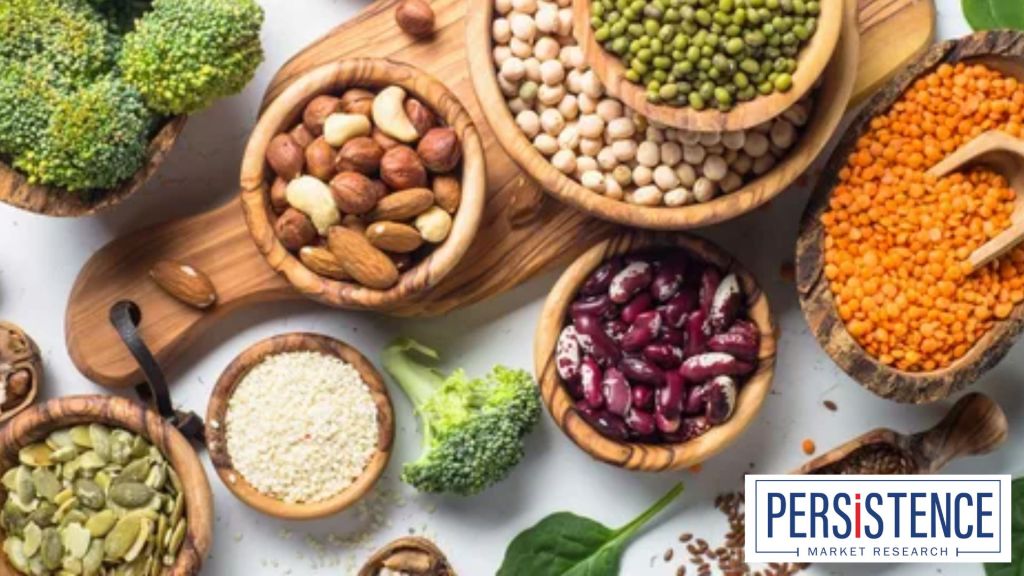
According to Persistence Market Research, the global plant-based proteins market is projected to grow from US$14.8 billion in 2025 to US$24.4 billion by 2032, advancing at a robust CAGR of 7.4%. The market was valued at US$13.8 billion in 2024, having expanded steadily over the previous five years at a 6.7% CAGR (2019–2024).
Much of this momentum can be attributed to a rapidly expanding base of vegan and flexitarian consumers worldwide.
Vegan and Flexitarian Diets: What’s Driving the Shift?
While veganism promotes the complete elimination of animal-derived products, flexitarianism encourages a plant-forward approach to eating, while still allowing for occasional meat or dairy consumption. Both lifestyles are gaining mainstream acceptance due to:
- Health consciousness: Reduced meat consumption is linked to improved heart health, better digestion, and weight management.
- Environmental impact: Plant-based diets produce significantly fewer greenhouse gases and consume fewer natural resources.
- Ethical concerns: Animal welfare is becoming a critical consideration for many modern consumers.
- Food sensitivities: Rising cases of lactose intolerance and meat-related health issues are pushing consumers toward safer, plant-based alternatives.
Together, these factors are significantly influencing global consumption patterns and propelling the demand for plant-based protein products.
Market Growth Fueled by Lifestyle Transitions
The growing appeal of vegan and flexitarian lifestyles is reshaping the food landscape across key global regions:
North America
North America, particularly the United States, remains at the forefront of the plant-based protein movement. Increased public awareness, strong retail presence, and frequent product launches are driving adoption. The region is expected to maintain a healthy CAGR of 7.1% through 2032.
Europe
Europe is witnessing a notable shift, especially in countries like Germany, where over 8.4 million people now identify as vegetarians, and 3% of the population follows a vegan lifestyle. The continent is projected to grow at a CAGR of 7.9%, supported by consumer advocacy and policy support for sustainable diets.
Asia-Pacific
Countries such as India, China, and Indonesia are rapidly adopting plant-based products, encouraged by urbanization, lifestyle diseases, and traditional plant-based eating patterns. These regions represent significant growth opportunities for manufacturers targeting vegan and flexitarian consumers.
Consumer Demand: From Niche to Norm
The shift toward vegan and flexitarian diets has significantly broadened the consumer base for plant-based protein products. What was once a niche movement is now a mainstream global trend embraced across age groups and income levels.
Consumers today are more informed, selective, and willing to invest in food products that reflect their values. Plant-based proteins align perfectly with this mindset, offering:
- Clean-label, allergen-free options
- Plant-derived nutrition without compromising on taste
- Sustainable choices in line with climate goals
This has led to a surge in demand across diverse product categories, from meat and dairy substitutes to functional foods, sports nutrition, and ready-to-eat meals.
Product Innovation Responding to New Diet Trends
The rise in vegan and flexitarian eating habits has spurred innovation in texture, flavor, and functionality of plant-based protein products. Consumers are now expecting products that offer not only nutritional value but also match the sensory experience of animal-based foods.
Key developments include:
- Meat-like alternatives: Improved formulations that replicate the juiciness, chew, and flavor of traditional meats using soy, pea, and wheat proteins.
- Dairy-free beverages and desserts: Almond, oat, soy, and pea-based options that satisfy traditional dairy lovers.
- Protein-enriched snacks and drinks: Convenient, on-the-go options such as bars, shakes, and cookies.
- Multi-source protein blends: Combining sources like pea and rice to create complete amino acid profiles.
These innovations have lowered the barrier for entry into plant-based eating, making it more attractive to flexitarians who value variety and indulgence.
Recent Market Developments Supporting Growth
To meet growing demand from vegan and flexitarian consumers, companies are expanding their product portfolios:
- In January 2024, WK Kellogg Co. launched “Eat Your Mouth Off”, a line of plant-based cereals developed for health-focused, meat-reducing families across the U.S.
- Suja Organic introduced ready-to-drink protein shakes in 2024, featuring 16g of protein from pea, hemp, and rice, targeting wellness-conscious and active flexitarians.
- Cargill is researching corn-based protein to create cost-effective and sustainable alternatives, extending options beyond traditional soy and pea sources.
These initiatives reflect how legacy brands and startups are aligning with evolving consumer habits.
Market Segmentation Snapshot
By Source
- Soy
- Pea
- Wheat
- Rice
- Spirulina
- Others
By Form
- Isolates
- Concentrates
- Hydrolysates
By Nature
- Conventional
- Organic
By Application
- Dairy Alternatives
- Functional Foods
- Sports Nutrition
- Snacks & Cereals
- Bakery & Confectionery
- Animal Feed
- Others
Challenges and Opportunities
Challenges
- Matching taste and texture expectations for new flexitarian consumers
- Price sensitivity in emerging markets
- Educating consumers about protein quality and sources
Opportunities
- Expansion into new product categories (e.g., baby food, clinical nutrition)
- Hybrid products that blend plant-based and fermented or cultured proteins
- Investment in regional supply chains to meet local taste preferences
Key Companies Driving the Shift
Leading global players and innovative startups are driving competition and collaboration within the plant-based protein space. Notable names include:
- Archer Daniels Midland Company (ADM)
- Cargill Incorporated
- Roquette Frères
- Glanbia Plc
- Ingredion Incorporated
- Kerry Group Plc
- Tate & Lyle
- DuPont
- Fuji Oil Holdings Inc.
- The Scoular Company
These firms are investing heavily in R&D, sustainability, and consumer education to meet the changing expectations of vegan and flexitarian consumers.
 Flavor Trends Insider