
As global demand for natural, clean-label, and nutritious food ingredients continues to rise, fruit puree has emerged as a key component across food and beverage categories—from smoothies and infant nutrition to sauces, dairy, and desserts. However, as manufacturers and consumers seek greater convenience, quality, and cost efficiency, a growing debate is shaping the industry: frozen vs. shelf-stable fruit puree—which is gaining more market share?
𝐄𝐱𝐩𝐥𝐨𝐫𝐞 𝐭𝐡𝐞 𝐅𝐮𝐥𝐥 𝐑𝐞𝐩𝐨𝐫𝐭: https://www.persistencemarketresearch.com/market-research/fruit-puree-market.asp
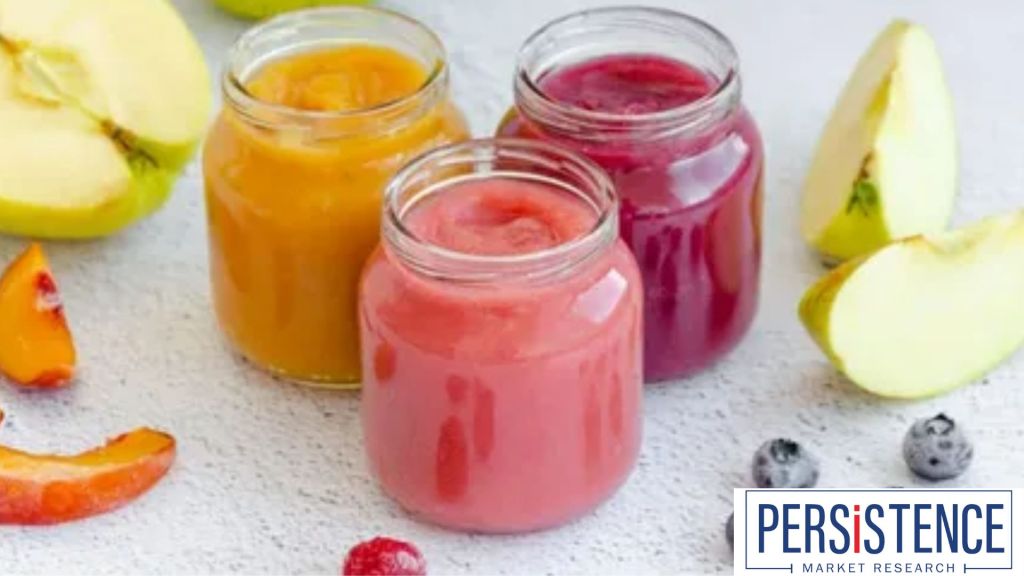
According to market estimates, the global fruit puree market is poised to reach US$ 26.5 billion by 2025, growing at a CAGR of 6.7%, and projected to hit US$ 40.9 billion by 2032. Both frozen and shelf-stable formats are contributing to this growth, but distinct trends are emerging across regions, industries, and consumer segments.
Understanding the Two Formats
Frozen fruit puree is typically made from fresh fruits that are processed and flash-frozen to retain maximum nutritional value, taste, and texture. It’s widely preferred by chefs, bakeries, beverage makers, and health-conscious consumers who prioritize quality over convenience.
Shelf-stable fruit puree, on the other hand, is processed using heat treatment or aseptic packaging to ensure longer shelf life without refrigeration. It appeals to food manufacturers and retailers due to its convenience, reduced transportation and storage costs, and year-round availability.
Shelf-Stable Puree Gains Momentum
Over the last few years, shelf-stable puree has seen a noticeable rise in market share due to its practical advantages. These include:
- Extended shelf life, reducing food waste and spoilage
- No refrigeration required, lowering logistics costs
- Versatility, ideal for baby food, sauces, beverages, and snack products
- Growing adoption in emerging markets, where cold chain infrastructure may be limited
In October 2024, the Oregon Fruit Company launched its “Pourable Fruit” line of shelf-stable purees targeted at quick-service restaurants, cafes, and beverage chains. These ready-to-use purees were developed in response to increased demand from the foodservice industry for real fruit ingredients with ease of storage and handling.
Additionally, shelf-stable purees are making a significant impact in the infant food segment, where brands like Trader Joe’s and Happy Baby are offering convenient pouches made from shelf-stable organic fruit purees. These products provide long shelf life, ease of transport, and consistent quality—crucial for parents looking for healthy, on-the-go nutrition for their children.
Frozen Puree Holds Strong in Premium and Niche Applications
Despite the convenience of shelf-stable products, frozen fruit puree continues to maintain a stronghold in premium segments and health-centric products. It is particularly preferred in:
- High-end bakeries and dessert shops
- Craft cocktail bars and beverage brands
- Clean-label and organic product lines
- Functional food brands focused on preserving maximum nutrition
Frozen puree is considered superior in terms of flavor fidelity and nutritional integrity, as freezing helps preserve the natural enzymes, color, and antioxidants of fruits. Mango, raspberry, passion fruit, and acai purees are commonly used in frozen formats for specialty desserts, smoothie bowls, and wellness beverages.
For example, specialty brands in Europe and North America source frozen exotic fruit purees to create gourmet ice creams, artisan pastries, and premium cocktails. Camu Camu and Soursop frozen purees, launched by The Perfect Purée of Napa Valley in February 2025, are tailored to chefs and bartenders seeking bold, global flavors with natural health benefits.
Regional Preferences and Infrastructure Impact
Asia Pacific, which is projected to lead the global fruit puree market with a 34.7% share in 2025, exhibits strong demand for both formats. India and Southeast Asia, where organic fruit farming is expanding rapidly, supply both frozen and shelf-stable purees for domestic use and export.
In countries with limited refrigeration infrastructure, shelf-stable puree holds an advantage due to its logistical ease and cost efficiency. However, premium bakery and foodservice chains in urban centers still prefer frozen formats for quality-sensitive applications.
North America demonstrates a balanced demand. While health food cafés, wellness brands, and premium foodservice providers favor frozen purees, large-scale food manufacturers and supermarkets increasingly lean toward shelf-stable options for mass production and retail.
Europe, particularly countries like France and Germany, shows a preference for locally produced frozen and refrigerated purees in artisanal and traditional applications. However, the shelf-stable segment is gaining ground in packaged and convenience food sectors due to rising demand for natural yet accessible ingredients.
Key Market Drivers Influencing Format Choice
Several macro trends are driving demand for both formats:
- Clean-label and wellness demand: Consumers want simple, real ingredients. Both formats meet this need, but frozen purees retain more natural nutrition.
- Plant-based diets: Smoothies, vegan desserts, and dairy alternatives benefit from both formats, depending on the product type and processing needs.
- Food safety and traceability: Shelf-stable purees offer extended safety guarantees, while frozen ones provide freshness and minimal processing.
- E-commerce and home delivery: Shelf-stable purees are easier to ship, while frozen options require insulated packaging, increasing costs.
 Flavor Trends Insider