
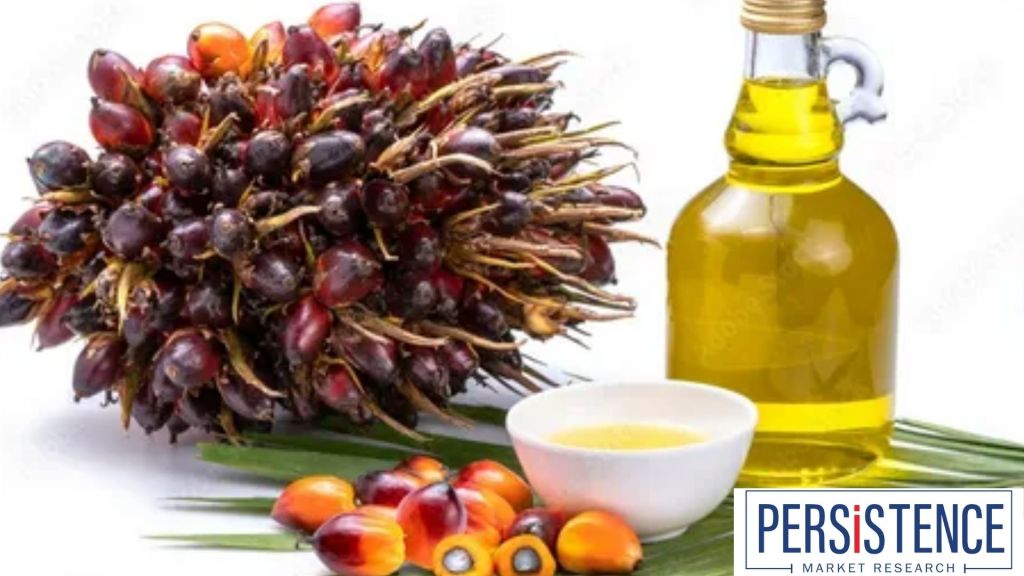
Palm oil has quietly become one of the most indispensable ingredients in the fast-moving consumer goods (FMCG) sector. From biscuits and bakery products to margarine, snacks, and frozen meals, palm oil is now a staple in more than 50% of all packaged food items globally. With the global palm oil market projected to reach US$ 67.1 billion in 2025 and grow at a CAGR of 4.5% through 2032, its rising usage in the packaged food segment signals a significant and lasting trend for the industry.
𝐄𝐱𝐩𝐥𝐨𝐫𝐞 𝐭𝐡𝐞 𝐅𝐮𝐥𝐥 𝐑𝐞𝐩𝐨𝐫𝐭: https://www.persistencemarketresearch.com/market-research/palm-oil-market.asp
The affordability, versatility, and functional advantages of palm oil make it an ideal ingredient for processed and ultra-processed food items. As global food manufacturers look to optimize costs while delivering quality and shelf-stable products, palm oil has taken center stage.
Why Palm Oil Dominates Packaged Foods
Palm oil offers several key benefits that make it appealing to food manufacturers:
- Cost-Effectiveness: Compared to other vegetable oils like soybean or sunflower, palm oil delivers high yield at a lower cost per ton, making it attractive in large-scale food production.
- Long Shelf Life: Palm oil’s high oxidative stability helps packaged foods remain fresh longer without refrigeration.
- Neutral Taste and Texture: It blends well into recipes without altering taste or aroma, making it ideal for a wide range of applications—from cookies to sauces.
In the FMCG space, particularly in the food and beverage segment, palm oil is used as a frying medium, texture enhancer, and preservative, giving products consistency and uniformity across batches.
FMCG Giants Lean into Palm Oil
Global brands such as Nestlé, Unilever, Mondelez, Kellogg’s, and PepsiCo have long relied on palm oil for its versatility. Palm oil plays a crucial role in manufacturing snacks, ready-to-eat meals, spreads, and baked goods due to its semi-solid state at room temperature and smooth texture.
The fractionated palm oil segment, which involves separating palm oil into solid and liquid components, is becoming especially popular in premium packaged food products like chocolates and pastries. As of 2025, this segment is expected to hold 38.6% of the palm oil market, according to market analysts.
In particular, instant noodles—popular across Asia—heavily rely on palm oil. Brands like Indofood, Maggi, and Nissin Foods use it extensively for frying, providing taste and crispness while maintaining long shelf life. Palm oil also remains a key ingredient in non-dairy creamers, margarine, crackers, and frozen desserts, especially in emerging economies.
Regional Demand Patterns
Asia Pacific: The Stronghold of Packaged Palm Oil Foods
The Asia Pacific region, led by Indonesia, India, and China, is the epicenter of palm oil consumption in packaged foods. In 2025, this region is projected to account for 59.4% of the global palm oil market, driven by a large population, growing middle class, and increasing demand for convenience foods.
Indonesia, the largest producer and exporter of palm oil globally, supplies vast quantities of the oil for both domestic use and international markets. At the same time, countries like India have historically relied on palm oil imports for processed food production due to its affordability. However, with rising palm oil costs in recent years, Indian refiners are now turning to alternative oils like soybean and sunflower, though palm oil still dominates the packaged snack and bakery categories.
Africa and Latin America: Expanding Packaged Food Industries
As urbanization and modern retail expand across Africa and Latin America, palm oil use in packaged foods is accelerating. Countries like Nigeria, Ghana, Colombia, and Brazil are seeing rising demand for ready-to-eat snacks, biscuits, and fried foods that depend on palm oil for consistency and cost-efficiency.
In Latin America, palm oil plantations are growing in countries such as Honduras, Ecuador, and Guatemala, and the oil is often used in local packaged food products that are exported across the Americas.
North America and Europe: Balancing Functionality and Sustainability
In North America and Europe, palm oil’s role in packaged foods is often scrutinized due to environmental concerns. However, demand remains strong, especially in baked goods, confectionery, and frozen meals. Major FMCG brands are focusing on sustainable sourcing of palm oil to retain consumer trust.
Retailers and food companies are under pressure to ensure that the palm oil they use is deforestation-free and RSPO-certified. In 2024, several brands in the U.S. and Canada strengthened their commitments to using only Certified Sustainable Palm Oil (CSPO), integrating advanced traceability and transparency tools into their procurement processes.
Sustainability: The New Imperative
As awareness grows around the environmental impact of palm oil production, especially concerning deforestation, loss of biodiversity, and greenhouse gas emissions, the FMCG sector is being held accountable for its sourcing practices.
Companies like Unilever and Nestlé have taken notable steps toward sustainability:
- In 2024, Nestlé announced that all its palm kernel oil and crude palm oil were RSPO-certified, and the company uses satellite monitoring, supply chain mapping, and landscape-level sustainability programs to verify compliance.
- Wilmar International and Yili Group marked a major milestone by shipping RSPO Identity Preserved Certified Palm Oil to China for food processing use.
The future of palm oil in packaged foods lies not just in its functionality, but in the ability of companies to source it responsibly and minimize its ecological footprint. Consumers, particularly in Europe and North America, are increasingly demanding clean-label and ethical products, forcing FMCG firms to adopt more transparent sourcing and certification standards.
Key Challenges and Opportunities
While palm oil remains critical to the FMCG sector, several challenges persist:
- Price Volatility: Adverse weather, geopolitical tensions, and labor shortages in key producing countries can cause sudden spikes in palm oil prices, impacting product pricing in the FMCG sector.
- Health Perception: Concerns over palm oil’s saturated fat content are prompting some health-conscious consumers to seek alternatives, although its stability and trans-fat-free nature still make it preferable to hydrogenated oils.
- Regulatory Scrutiny: New laws, such as the EU’s deforestation-free commodity regulations, are compelling FMCG firms to tighten compliance and increase supply chain audits.
However, these challenges also present opportunities for:
- Product Innovation: Brands can develop premium packaged foods with sustainably sourced palm oil and market them as ethical choices.
- Consumer Education: Informing consumers about the difference between conventional and sustainable palm oil can build brand loyalty.
- Smallholder Empowerment: Collaborating with smallholder farmers to promote regenerative agriculture and yield improvement can support both sustainability and productivity.
Conclusion: A Long-Term Ingredient for Packaged Food Success
Palm oil’s place in the FMCG sector is not only secure—it is evolving. Its role in the packaged food industry will continue to expand as manufacturers seek cost-effective, functional, and shelf-stable solutions. But the narrative around palm oil is shifting from one of controversy to opportunity—opportunity to produce responsibly, support smallholders, embrace innovation, and meet the rising expectations of environmentally conscious consumers.
As long as producers and brands focus on sustainable cultivation and transparent supply chains, palm oil will remain one of the most valuable and widely used ingredients in the global FMCG landscape.
 Flavor Trends Insider