
As global consumers increasingly prioritize nutrition, convenience, and food safety, the frozen fruits market is benefiting from cutting-edge freezing technologies that preserve more than just shelf life—they retain the nutritional essence of fresh produce. According to Persistence Market Research, the global frozen fruits market is projected to grow from US$ 7,863.1 Mn in 2025 to US$ 11,212.5 Mn by 2032, registering a CAGR of 5.2%.
𝐄𝐱𝐩𝐥𝐨𝐫𝐞 𝐭𝐡𝐞 𝐅𝐮𝐥𝐥 𝐑𝐞𝐩𝐨𝐫𝐭: https://www.persistencemarketresearch.com/market-research/frozen-fruits-market.asp
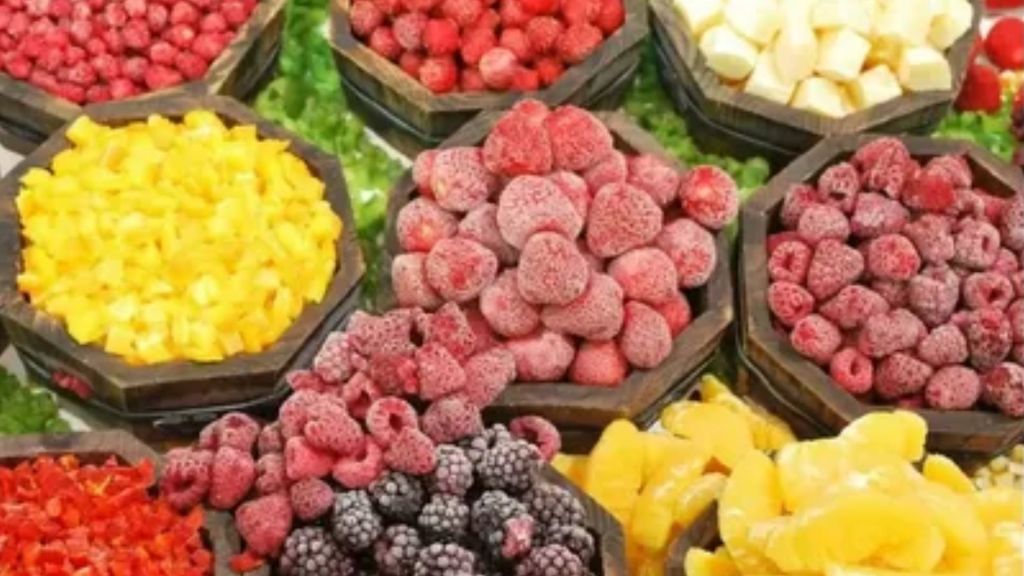
At the heart of this growth is a crucial innovation: Individual Quick Freezing (IQF) and other advanced methods that enhance the nutritional retention of fruits by minimizing degradation during processing and storage.
Why Freezing Doesn’t Mean Nutrient Loss
Contrary to popular belief, modern freezing technologies like IQF actually lock in nutrients at peak ripeness. Unlike traditional freezing, IQF rapidly freezes individual fruit pieces to preserve vitamins, antioxidants, color, and texture. Fruits are picked at their nutritional prime and frozen within hours, often preserving more nutrients than store-bought fresh fruits that travel long distances.
Health-Conscious Consumers Fuel Demand
The demand for nutrient-dense foods, especially those with no preservatives, added sugars, or artificial ingredients, aligns perfectly with frozen fruits processed through advanced freezing. Clean-label seekers and wellness-focused consumers are turning to frozen options for use in smoothies, breakfast bowls, and healthy snacks.
Industry Shifts to Quality-Preserving Techniques
Leading suppliers are investing in energy-efficient, nutrient-locking freezing systems. These technologies reduce ice crystal formation and enzymatic breakdown, improving product integrity. Organic brands, in particular, are leveraging flash-freezing as a way to offer chemical-free, minimally processed nutrition.
Conclusion
As technology continues to evolve, freezing is no longer just a preservation tool—it’s a nutritional enhancer. The global frozen fruits market is expected to thrive on the back of these innovations, offering consumers a reliable, nutritious alternative to fresh produce, with the added benefit of convenience and extended usability.
 Flavor Trends Insider