
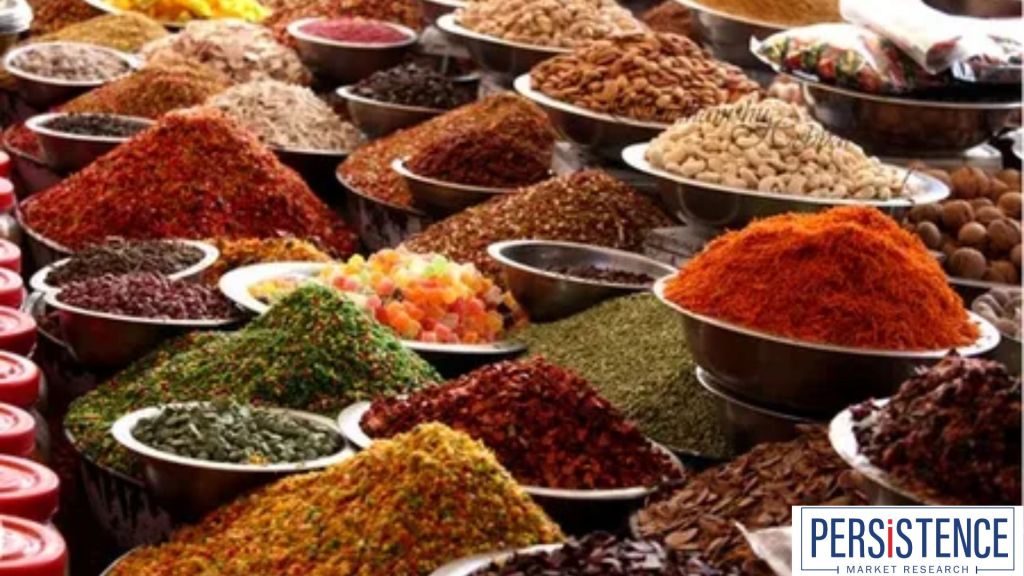
The global spices market is witnessing significant expansion, largely driven by innovation in the food and beverage (F&B) industry. As culinary creativity reaches new heights and global palates diversify, spices are no longer just traditional pantry staples—they are critical components in the development of novel food and drink products. According to Persistence Market Research, the global spices market is projected to increase from US$ 16.4 Bn in 2025 to US$ 24.2 Bn by 2032, growing at a CAGR of 5.7%. This growth is being shaped by evolving consumer preferences, bold flavor experimentation, and the integration of spices across a variety of food and beverage formats.
𝐂𝐥𝐢𝐜𝐤 𝐇𝐞𝐫𝐞 𝐅𝐨𝐫 𝐌𝐨𝐫𝐞: https://www.persistencemarketresearch.com/market-research/spices-market.asp
How Food and Beverage Innovation Is Fueling Spice Demand
1. Rising Demand for Bold, Authentic Flavors
Modern consumers are seeking out foods and drinks that deliver robust, exotic, and authentic flavor experiences. The popularity of ethnic cuisines has encouraged the incorporation of spices such as turmeric, paprika, cumin, cardamom, and chili into ready-to-eat meals, snacks, sauces, marinades, and even beverages.
From peri-peri chicken and Thai curries to chai lattes and turmeric smoothies, spices are now key to product innovation in both savory and sweet categories. This flavor-driven trend is boosting demand for both traditional and contemporary spice profiles.
2. Spices in Functional and Health-Oriented Beverages
The wellness movement is blurring the lines between nutrition and flavor. Beverage innovators are using spices like ginger, cinnamon, turmeric, and black pepper in functional drinks—such as detox teas, energy elixirs, and immunity shots—to provide health benefits alongside a distinctive taste.
These spices are valued for their anti-inflammatory, antioxidant, and digestive properties, aligning perfectly with consumer demand for functional ingredients in their everyday routines.
3. Culinary Creativity in Foodservice and Retail
Foodservice providers and packaged food brands are rapidly embracing culinary innovation to appeal to more adventurous consumers. Fusion cuisines and cross-cultural flavors are leading to unique spice combinations, such as Korean BBQ tacos or Indian-inspired pasta sauces. Restaurants and QSRs are also integrating signature spice blends into limited-edition menus to differentiate themselves in a competitive landscape.
At the retail level, spice-infused snacks—like spiced nuts, chili-coated chips, and savory granola—are gaining traction, especially among younger consumers seeking bold and portable flavor experiences.
Global Market Snapshot
- Spices Market Size in 2025: US$ 16.4 Bn
- Projected Value by 2032: US$ 24.2 Bn
- Forecast CAGR (2025–2032): 5.7%
- Historical Growth (2019–2023): 4.9% CAGR
Regional Insights on Food & Beverage-Led Spice Growth
North America
In the U.S. and Canada, F&B innovation is being driven by multicultural influences and demand for convenience. Spices are being incorporated into ready meals, plant-based alternatives, and craft beverages. The growing popularity of spicy profiles—such as chipotle, sriracha, and Cajun—reflects consumers’ growing tolerance and appetite for heat and flavor complexity.
Europe
Europe’s focus on organic, clean-label, and health-focused F&B products has led to greater use of spices in vegan foods, gluten-free snacks, and functional beverages. Mediterranean, Indian, and North African spices are increasingly integrated into everyday food products and restaurant offerings across the region.
Asia Pacific
As the hub of spice cultivation, Asia Pacific is leveraging traditional flavors in modern formats. Innovative spice-infused products—like curry-flavored instant noodles, spiced beverages, and functional herbal teas—are driving domestic growth while also expanding into international markets.
Middle East and Africa
Traditional spice-rich cuisines in this region are being reimagined in modern formats. There is rising demand for spice-laced processed foods, halal-certified seasonings, and health drinks, particularly in urban areas with a growing middle class.
Product and Format Innovation Driving Demand
Spice Blends and Rubs
F&B manufacturers are turning to custom spice blends for product differentiation. Signature dry rubs, seasoning kits, and marinade blends are being used in frozen meals, meat products, and snack lines.
Spice-Infused Snacks
From paprika-flavored popcorn to cumin-spiced trail mixes, the snacking category is being transformed by the integration of global spice flavors. These products are especially popular among millennials and Gen Z consumers.
Beverages with a Kick
Spices are no longer confined to food. Chai teas, golden milk, ginger shots, and spiced cocktails are giving rise to a new category of beverages that appeal to both the health-conscious and those seeking new taste experiences.
Plant-Based Food Enhancements
With the rise of meat alternatives, spices are being used to enhance the taste and texture of plant-based products. Smoky, umami, and spicy profiles—often created with natural spices—are helping bridge the flavor gap for flexitarians and vegans.
Key Players Capitalizing on F&B Innovation
Spice producers are collaborating with F&B brands, QSR chains, and health food companies to offer tailored spice solutions. Leading players include:
- McCormick & Company Inc.
- Olam International
- Paulig Group
- Everest Spices
- Verstegen Spices & Sauces B.V.
- Mahashian Di Hatti Pvt. Ltd.
- Frontier Co-op
- Elite Spice
- Simply Organic
- DF World of Spices GmbH
These companies are also investing in R&D to create custom blends, improve heat resistance, ensure flavor stability in processed foods, and meet clean-label requirements.
Challenges Ahead
Despite immense opportunity, the integration of spices into innovative F&B applications comes with challenges:
- Maintaining Authentic Flavor at Scale: Preserving traditional flavor integrity during large-scale production.
- Shelf Stability and Processing Compatibility: Ensuring spice flavor doesn’t degrade during cooking, freezing, or long storage.
- Cost of Premium Ingredients: Sourcing high-quality, organic, or rare spices can elevate product costs.
- Regulatory Barriers: Navigating food safety and labeling laws across different markets for spice-infused foods and beverages.
Future Outlook: Spice Innovation Set to Continue
- Growing emphasis on global taste experiences in packaged foods
- Increasing use of spices in health-focused food and beverage categories
- Expansion of custom and branded spice formulations in F&B manufacturing
- New flavor profiles being introduced through AI-driven product development
 Flavor Trends Insider