
As consumers increasingly seek nutritious, ethical, and sustainable alternatives to traditional dairy, soy milk has emerged as a transformative force in the beverage industry. According to Persistence Market Research, the global soy milk market is projected to grow from US$ 6,658.4 Mn in 2025 to US$ 12,093.8 Mn by 2032, recording a robust CAGR of 8.9% over the forecast period. Once a niche product primarily consumed in select regions, soy milk is now a mainstream staple, redefining consumer expectations in the plant-based beverage sector.
𝐂𝐥𝐢𝐜𝐤 𝐇𝐞𝐫𝐞 𝐅𝐨𝐫 𝐌𝐨𝐫𝐞: https://www.persistencemarketresearch.com/market-research/soy-milk-market.asp
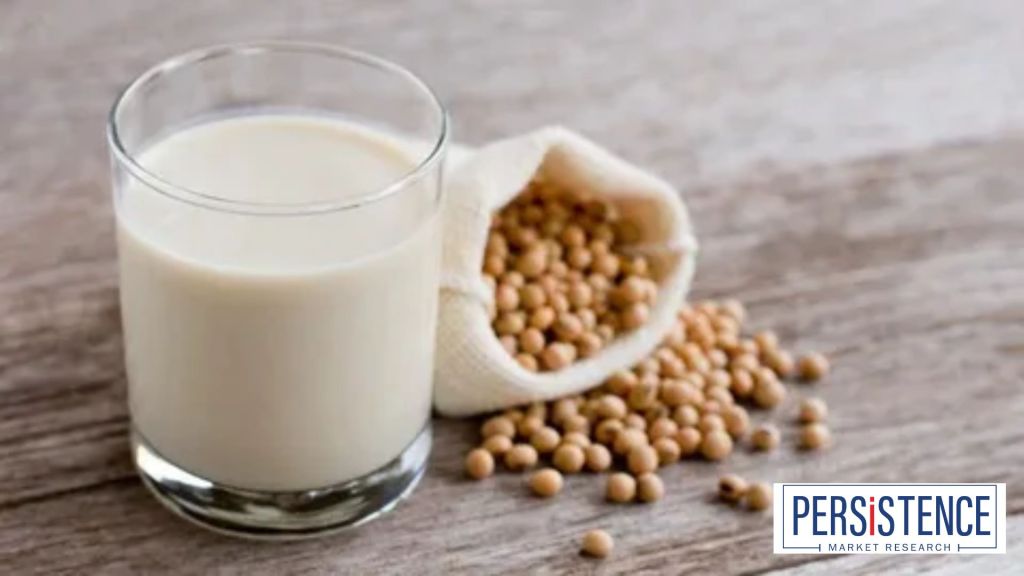
Made from soybeans and water, soy milk offers a naturally lactose-free, cholesterol-free, and protein-rich alternative to dairy milk. It caters to a wide spectrum of dietary needs—vegan, vegetarian, flexitarian, and lactose-intolerant—while also aligning with growing concerns around environmental sustainability and animal welfare. This powerful combination of benefits has helped soy milk become a game changer in global beverage consumption.
Key Highlights from the Soy Milk Market Report
- Plain soy milk continues to dominate the market, holding an 85.2% share, preferred for its affordability and versatility.
- The retail/household segment is expected to expand at a CAGR of 9.5%, as consumers make soy milk a daily dietary essential.
- East Asia remains the leading market, but North America and Europe are witnessing rapid growth driven by veganism and dairy-free lifestyles.
- The demand for organic, sugar-free, and fortified soy milk is rising among health-conscious buyers.
- Soy milk’s functional profile—rich in plant-based protein, isoflavones, and antioxidants—positions it as both a dietary staple and wellness product.
- Competition with almond, oat, and coconut milk is intensifying, but soy milk maintains a stronghold due to its superior protein content and affordability.
Soy Milk’s Role in Redefining Dairy Consumption
The shift from dairy to plant-based beverages is one of the most significant changes in the food and beverage industry over the past decade. Soy milk has played a foundational role in this transformation, not only by serving as a dairy alternative but also by helping shape the entire plant-based category.
Unlike many plant-based milks that are primarily chosen for taste or sustainability, soy milk offers a complete nutritional profile. It contains all nine essential amino acids, making it the only plant-based milk that matches dairy’s protein value. It also supports heart health, helps lower cholesterol levels, and contains phytoestrogens that can benefit hormonal balance.
Why Consumers Are Choosing Soy Milk Over Dairy
- Lactose Intolerance and Digestive Comfort
Soy milk provides a lactose-free option for individuals who experience bloating, gas, or discomfort from traditional dairy. - High Protein Content
Unlike almond or oat milk, soy milk is naturally rich in protein—making it ideal for athletes, fitness enthusiasts, and those seeking muscle support. - Sustainability Benefits
Soy milk production requires less water and land, and generates fewer emissions than dairy, aligning with eco-conscious consumer values. - Functional Health Benefits
Isoflavones found in soy milk are known to support cardiovascular health, bone density, and menopausal symptom relief. - Affordability and Accessibility
Soy milk remains one of the most cost-effective plant-based milks, increasing its appeal across all income groups and global regions.
Regional Trends Fueling Soy Milk Demand
East Asia, including China, Japan, and South Korea, has long incorporated soy milk into traditional diets. Today, the region continues to lead global consumption, bolstered by growing awareness of soy milk’s health benefits and government support for plant-based eating.
North America is emerging as a high-growth region, with increasing numbers of consumers opting for soy milk as part of vegan, vegetarian, and flexitarian lifestyles. In the United States, where lactose intolerance affects a significant portion of the population, soy milk is now widely available across major retailers and online platforms.
Europe is also embracing soy milk, particularly in countries like Germany, France, and the United Kingdom, where environmental consciousness, animal welfare, and organic product demand are fueling rapid adoption.
Market Segmentation and Product Innovation
By product type, soy milk is segmented into plain and flavored variants, with plain unsweetened options seeing the highest demand due to their flexibility and minimal ingredient lists.
By category, the market includes conventional and organic soy milk, with organic variants witnessing growing popularity among consumers who prioritize non-GMO and pesticide-free options.
The market is also segmented by end use (retail/household vs. foodservice) and distribution channels, including hypermarkets/supermarkets, specialty stores, convenience stores, and online retail. E-commerce growth is making it easier for consumers to access specialized soy milk products, including fortified, high-protein, and sugar-free options.
Challenges and Competitive Landscape
Despite its many advantages, soy milk faces challenges from newer plant-based options like oat, almond, and coconut milk, which often appeal to consumers seeking variety or different flavor profiles. Soy allergies, as well as concerns about genetically modified soybeans, also impact purchasing decisions in some regions.
To remain competitive, leading soy milk brands are investing in R&D, flavor enhancement, clean-label formulations, and non-GMO certifications. Key players shaping the market include:
- Vitasoy International Holdings Ltd
- The Hain Celestial Group, Inc.
- Pacific Foods
- Natura Foods
- The Hershey Company
- NOW Health Group, Inc.
- Maeil Dairy
- Ecomil
- Bio Nutrients Pvt. Ltd
- The Bridge S.R.L
 Flavor Trends Insider