
The Europe sesame seeds market is projected to witness steady growth, supported by a rising wave of high-quality seed imports to meet the region’s evolving consumer preferences and stringent food safety standards. Valued at US$ 521.8 million in 2025, the market is forecast to reach US$ 719.3 million by 2032, expanding at a CAGR of 5.1%. As consumers prioritize nutrition, traceability, and sustainability, European importers are shifting focus toward sourcing premium-grade sesame seeds, including organic, hulled, and ethically produced varieties.
𝐂𝐥𝐢𝐜𝐤 𝐇𝐞𝐫𝐞 𝐅𝐨𝐫 𝐌𝐨𝐫𝐞: https://www.persistencemarketresearch.com/market-research/europe-sesame-seeds-market.asp
This growth is being driven not only by increasing domestic consumption but also by the rising need for compliant and certified sesame seeds, especially after regulatory tightening in the wake of contamination incidents in recent years.
Import Surge Driven by Quality and Regulatory Compliance
The European market has become highly selective in terms of sesame seed quality, with growing emphasis on purity, cleanliness, and food safety. This shift was accelerated by incidents such as the detection of ethylene oxide residues in past imports, which led to stricter controls and increased demand for fully traceable, lab-tested sesame seeds.
Importers across Europe are now favoring suppliers who follow Good Agricultural Practices (GAP), offer organic certification, and invest in processing technologies that ensure safety and consistency. Countries like India, Ethiopia, Sudan, Uganda, and Pakistan are key exporters adapting to these expectations.
Germany and France Lead the High-Quality Sesame Imports
Germany remains a dominant player in high-quality sesame seed imports, with volumes ranging between 6,000 and 9,000 tons in 2023, largely composed of organic and hulled seeds for the health food and clean-label segments. France and the Netherlands are also increasing their intake of certified and specialty sesame, fueled by demand for premium ingredients in bakery, plant-based, and organic product lines.
These countries are not only importing for domestic consumption but also processing and re-exporting value-added sesame products across Europe, establishing themselves as regional processing hubs.
White and Hulled Sesame Varieties Drive Import Preferences
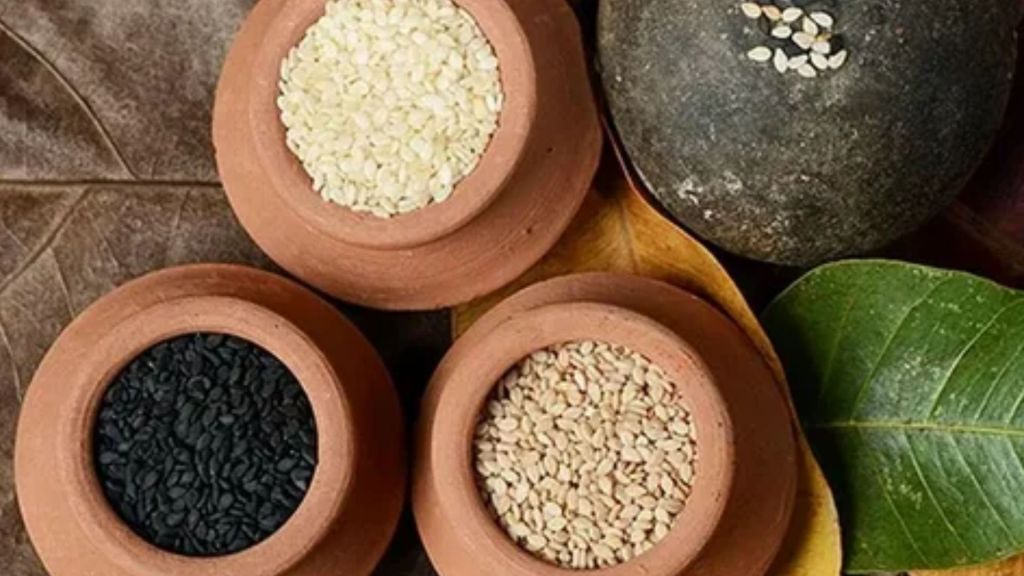
Among the various types, white sesame seeds—especially the hulled variety—are the most commonly imported, making up the bulk of high-quality shipments. Their neutral flavor, light color, and smooth texture make them highly desirable for use in tahini, sauces, baked goods, and snack bars.
With white hulled sesame seeds projected to contribute significantly to the 38.8% product share in 2025, their role in Europe’s sesame imports is expected to grow, especially in clean-label and functional food applications.
Organic Sesame Imports Gain Momentum
As European consumers increasingly demand certified organic food, importers are sourcing large volumes of organic sesame seeds, supporting a forecasted 52.1% market share for organic sesame by 2025, growing at a CAGR of 5.4% through 2032. High-quality organic sesame from countries like Ethiopia, Uganda, and Burkina Faso is making inroads into European retail and foodservice channels, supported by fair-trade programs and sustainable farming practices.
These imports are channeled into health-focused products such as organic tahini, seed crackers, protein bars, and nutritional supplements, which are gaining popularity among wellness-driven consumers.
Greece Maintains Strong Import Volumes for Traditional Applications
Greece, projected to hold a 41.3% market share in 2025, continues to import significant volumes of sesame seeds—36,000 tons in 2023—primarily for traditional foods like tahini, halva, and pasteli. While the country is less focused on novelty products, it contributes to consistent high-volume imports, favoring hulled and white sesame for established culinary uses.
Greece sources sesame from a diversified pool of suppliers, including India, Sudan, and Ethiopia, helping ensure stable availability amid fluctuating global conditions.
Food and Beverage Sector Fuels Import Growth
The food and beverage segment, accounting for 48% of total sesame seed demand by 2025, continues to be the largest driver of sesame imports. As the industry focuses on plant-based, clean-label, and functional nutrition, sesame seeds are being increasingly used in bakery, dairy alternatives, sauces, vegan snacks, and ready-to-eat meals.
European food brands rely on consistent, high-quality imports to maintain product standards, making sesame a critical component in formulations geared toward health-conscious and ingredient-aware consumers.
Challenges: Sourcing Stability and Certification Barriers
Despite the growing import volumes, the Europe sesame seeds market faces challenges such as supply chain disruptions, price volatility, and barriers to certification. Annual price fluctuations of up to 30%, especially for organic and hulled seeds, can strain margins for importers and processors.
Meeting stringent EU standards—such as pesticide residue limits, microbial safety requirements, and documentation protocols—adds complexity and cost to sourcing high-quality sesame. Exporters must invest in processing upgrades, quality testing, and traceability tools to remain competitive.
Opportunities in Value-Added and Packaged Health Foods
The increasing import of high-quality sesame seeds is creating opportunities in value-added products such as:
- Organic tahini spreads
- Multiseed bread and crackers
- Plant-based protein bars
- Sesame oil blends for gourmet use
- Nutrient-rich superfood mixes
As consumers seek convenient, nutritious, and clean-label foods, sesame’s profile as a natural, versatile, and functional ingredient continues to rise, supporting the demand for premium imports.
Leading Companies Align with High-Quality Import Strategies
Several major players are adapting to this trend by focusing on high-quality sourcing, certification, and sustainability:
- Haitoglou Bros S.A.: Specializes in sesame-based Mediterranean products and imports premium-grade hulled sesame.
- Dipasa Europe B.V.: Offers organic and hulled sesame ingredients for clean-label food production.
- Tradin Organic Agriculture B.V.: Focuses on traceable, organic sesame imports for health food applications.
- Olam Agri Holdings: Maintains a vast global sourcing network, meeting compliance standards for large-scale European supply.
Smaller exporters like Gulu Agricultural Development Company (Uganda) and Sesame for Life (Zimbabwe) are building relationships with European partners by offering organic, ethically sourced sesame seeds with a strong compliance focus.
Conclusion: Import Surge Solidifies Sesame’s Role in Europe’s Health-Focused Food Industry
As Europe’s appetite for healthy, functional, and organic foods continues to rise, so does its reliance on high-quality sesame seed imports. The demand for certified, safe, and sustainably sourced seeds is shaping sourcing strategies, trade relationships, and product development across the region.
For suppliers, exporters, and food brands, the future lies in aligning with Europe’s emphasis on premium quality, food safety, and wellness-driven consumption, making high-quality ses
 Flavor Trends Insider